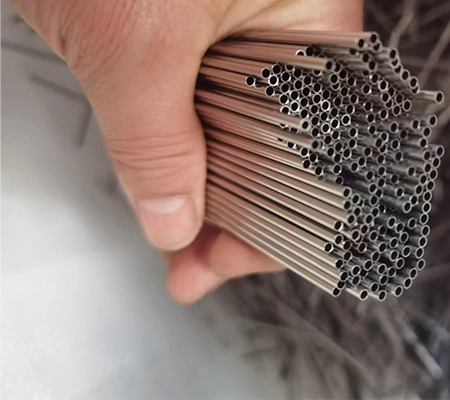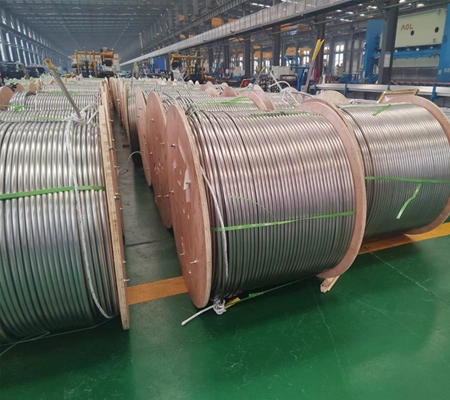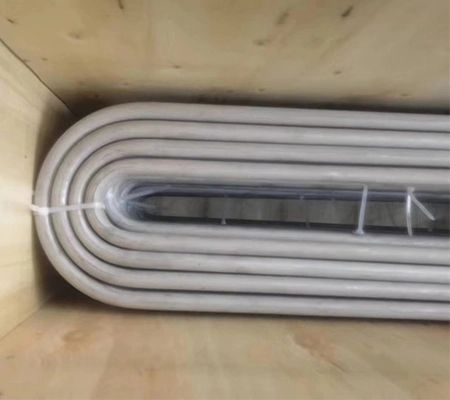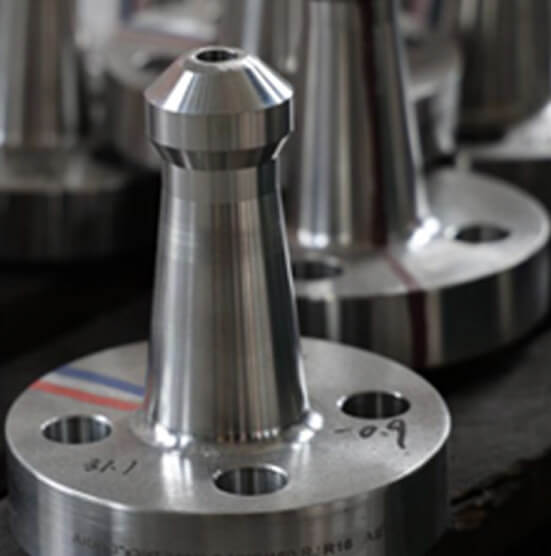

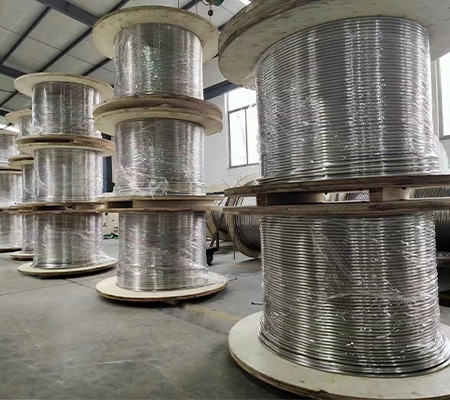
Stainless steel hydraulic tubing is used to convey pressurized fluids in hydraulic and pneumatic systems where corrosion resistance, dimensional consistency, and reliable fluid control are required. Unlike a flexible hose, a hydraulic tube is a rigid or formable metal line installed in straight or bent routing. Also referred to as stainless hydraulic tubing or SS hydraulic tubing, it is widely used in industrial machinery, mobile equipment, marine systems, agricultural machinery, and manufacturing facilities.
As one of the leading hydraulic tube manufacturers in China, KIDY Pipeline supplies stainless steel hydraulic tubing in project-specific grades, outside diameters, wall thicknesses, lengths, and surface conditions. Buyers should select the tubing according to the working fluid, operating pressure, temperature, installation environment, forming requirements, and connection method.
Stainless steel hydraulic tubing combines the pressure-handling capability of metal tubing with the corrosion resistance required in demanding operating environments. Its performance depends on the selected material grade, hydraulic tubing dimensions, fabrication method, and connection design.
Corrosion-resistant construction: Stainless steel provides improved resistance to moisture, many industrial fluids, and corrosive working environments compared with unprotected carbon steel tubing.
Controlled dimensions: Consistent outside diameter, wall thickness, and surface condition support accurate routing and connection with compatible hydraulic tube fittings.
Suitable for pressurized systems: Steel hydraulic tubing can be used in high-pressure fluid systems when the material grade, tube size, wall thickness, temperature, connection type, and required safety factor are correctly specified.
Fabrication flexibility: Depending on the grade and dimensions, tubing may be cut, bent, flared, or prepared for connection with valves, manifolds, pumps, and other hydraulic components.
Stable metal tube routing: Stainless steel tubing provides a fixed and organized fluid path in applications where excessive hose movement, abrasion, or vibration must be controlled.
Project-specific supply: For procurement teams evaluating steel tube manufacturers in china, KIDY can quote stainless steel hydraulic tubes according to the required grade, dimensions, length, quantity, and applicable technical specifications.
The allowable working pressure must be calculated for the selected tube and system design. A general pressure value should not be applied to every hydraulic tube because pressure capacity changes with outside diameter, wall thickness, material grade, temperature, forming, and connection conditions.
Stainless steel hydraulic tubing is used to connect pumps, valves, cylinders, manifolds, reservoirs, and control components in pressurized fluid systems. Its corrosion resistance and stable routing make it suitable for both fixed industrial equipment and mobile machinery.
Typical applications include:
Hydraulic power units and industrial machinery
Machine tools and automated production equipment
Construction and material-handling equipment
Agricultural and forestry machinery
Automotive braking, steering, transmission, and fluid-control systems
Marine equipment and corrosion-exposed fluid lines
Presses, lifting systems, and hydraulic control circuits
Connections between pumps, valves, manifolds, and hydraulic cylinders
Fuel, lubrication, and compatible fluid-transfer systems
Material compatibility, working pressure, operating temperature, vibration, and external corrosion conditions should be reviewed before the tube is selected for a specific application.
A hydraulic tube size is normally specified by its outside diameter and wall thickness rather than by nominal pipe size alone. Hydraulic tubing dimensions may also include inside diameter, length, dimensional tolerances, straightness, surface condition, and end preparation.
For projects using metric hydraulic tube sizes, the outside diameter and wall thickness should be stated in millimeters. A general hydraulic tube size chart or hydraulic steel tubing size chart should only be used as an initial reference because available grades, tolerances, and pressure ratings can vary between manufacturers and standards.
When requesting a quotation, provide the following information:
| Ordering Item | Information to Provide |
| Material | Stainless steel grade or applicable material standard |
| Outside diameter | Required OD in millimeters or inches |
| Wall thickness | Required wall thickness |
| Inside diameter | Specify when ID control is important |
| Length | Fixed length, random length, or cut-to-size requirement |
| Surface condition | Required internal and external surface condition |
| Dimensional tolerance | OD, wall-thickness, length, and straightness requirements |
| Working conditions | Fluid, design pressure, operating temperature, and environment |
| Fabrication | Cutting, bending, flaring, or other processing requirements |
| Connection method | Type of hydraulic tube fittings or end preparation |
| Assembly requirements | Drawings for hydraulic tube assemblies, if applicable |
| Quantity | Required order quantity and delivery schedule |
| Documentation | Inspection, testing, marking, and material certificate requirements |
Contact KIDY with your material grade, hydraulic tube size, working conditions, quantity, and technical documentation requirements to receive a project-specific quotation.

Customer Satisfaction Is Our Honor. Feel free to enquiry us any questions of pipeline materials.


 sherlly1@126.com
  +86-577 568 747 28
  15814844070
 English