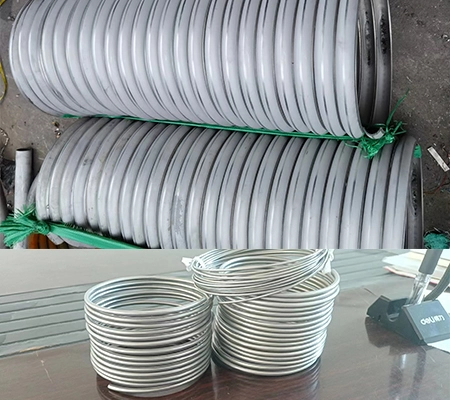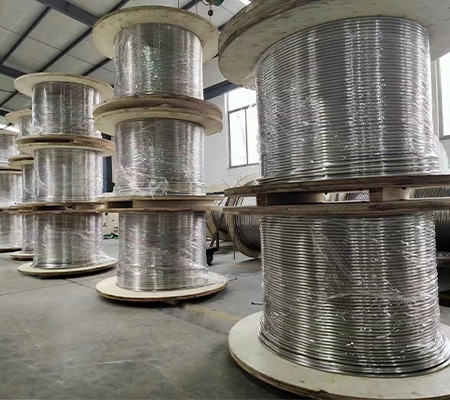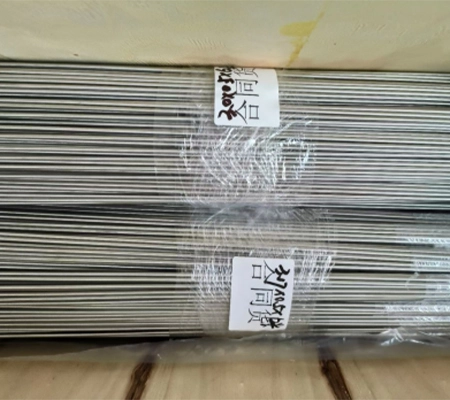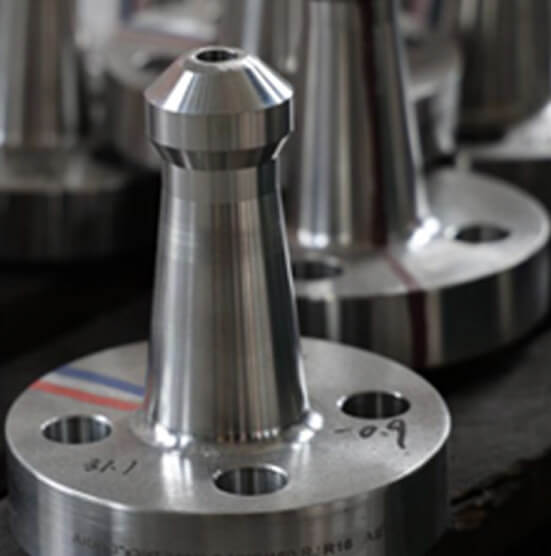

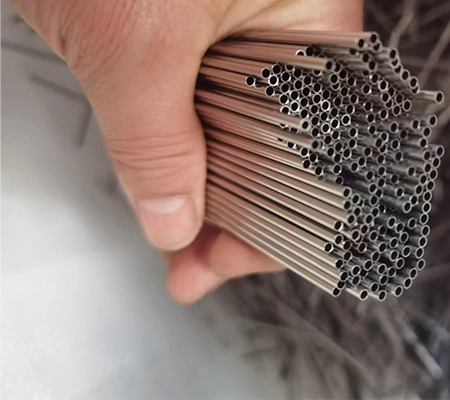
Stainless steel medical tubing is used in medical devices, surgical instruments, diagnostic equipment, laboratory systems, and other applications that require a strong, corrosion-resistant, cleanable metal tube. Medical stainless steel tubing can be specified in different outside diameters, wall thicknesses, lengths, surface conditions, and material grades to match component design and fabrication requirements.
Medical grade stainless steel tubing is commonly selected where dimensional consistency, surface quality, and resistance to sterilization processes are important. Terms such as surgical steel tubing and surgical stainless steel tubing are often used in sourcing; however, the final material grade, cleanliness level, mechanical properties, and regulatory requirements should always be confirmed for the intended device or medical application.
Stainless steel medical tubing provides a stable and precisely controllable tube solution for medical-device components and medical-equipment assemblies. The appropriate specification depends on the device design, manufacturing process, operating environment, and applicable quality requirements.
Corrosion-resistant stainless steel construction: Stainless steel can provide dependable resistance to moisture, cleaning agents, and many sterilization environments when a suitable grade is selected.
Precise dimensional control: Outside diameter, inside diameter, wall thickness, length, and straightness can be specified to support component fit, fluid paths, instrument assemblies, and precision fabrication.
Smooth surface options: Internal and external surface requirements can be specified to support cleanliness, assembly, fluid flow, and further processing.
Fabrication compatibility: Depending on the selected grade and dimensions, stainless steel medical tubing may be cut, bent, formed, welded, flared, or prepared for component assembly.
Strength in compact designs: Thin-wall stainless steel tubing can provide structural support in space-constrained device and instrument applications while maintaining a compact profile.
Project-specific supply: Buyers comparing steel tube manufacturers in china can request tubing based on the required grade, dimensions, length, surface condition, quantity, and technical documentation.
Material suitability for patient-contact, implantable, or regulated medical-device use must be evaluated and validated by the device manufacturer according to the relevant application requirements.
Stainless steel medical tubing can be used as a component material for medical devices, medical equipment, and laboratory systems. Its use should be determined by the final product design and applicable validation requirements.
Typical applications include:
Surgical instrument components and minimally invasive device assemblies
Catheter-support and guide components
Needles, cannulas, probes, and diagnostic-device components
Medical fluid-handling and drug-delivery equipment
Laboratory analysis and sample-handling systems
Dental, orthopedic, and prosthetic-device components
Medical imaging and monitoring equipment
Sterilization-resistant medical-equipment assemblies
Precision mechanical components for healthcare devices
To receive an accurate quotation, please provide the stainless steel grade, outside diameter, inside diameter or wall thickness, required length, surface condition, tolerances, quantity, and applicable material or inspection standard. If the tubing will be used in a regulated medical-device application, also provide the relevant cleanliness, traceability, testing, and documentation requirements.
Contact KIDY with your technical drawing or tubing specification for a project-specific quotation.

Customer Satisfaction Is Our Honor. Feel free to enquiry us any questions of pipeline materials.


 sherlly1@126.com
  +86-577 568 747 28
  15814844070
 English